
In the pantheon of confectionery, few combinations are as universally adored as chocolate and peanut butter. It is a relationship defined by balance: the rich, slightly bitter notes of cocoa meeting the salty, roasted creaminess of the peanut. While commercial versions are a staple of every checkout aisle, they often contain preservatives, high-fructose corn syrup, and a texture that can sometimes feel waxy. This Homemade Chocolate Peanut Butter Cup recipe is a gourmet upgrade, allowing you to control the quality of every ingredient to create a treat that is vastly superior to the original.
The secret to a truly “real” peanut butter cup lies in two areas: the “snap” of the chocolate shell and the structural integrity of the filling. By using high-quality baking chocolate and a precise ratio of peanut butter to powdered sugar, you achieve a confection that melts on the tongue without being overly cloying. Whether you are prepping these for a holiday gift box, a school party, or simply a midnight snack, these cups offer a professional-grade experience that can be made right in your kitchen. Let’s explore the chemistry of the perfect filling and the secrets to layering like a chocolatier.
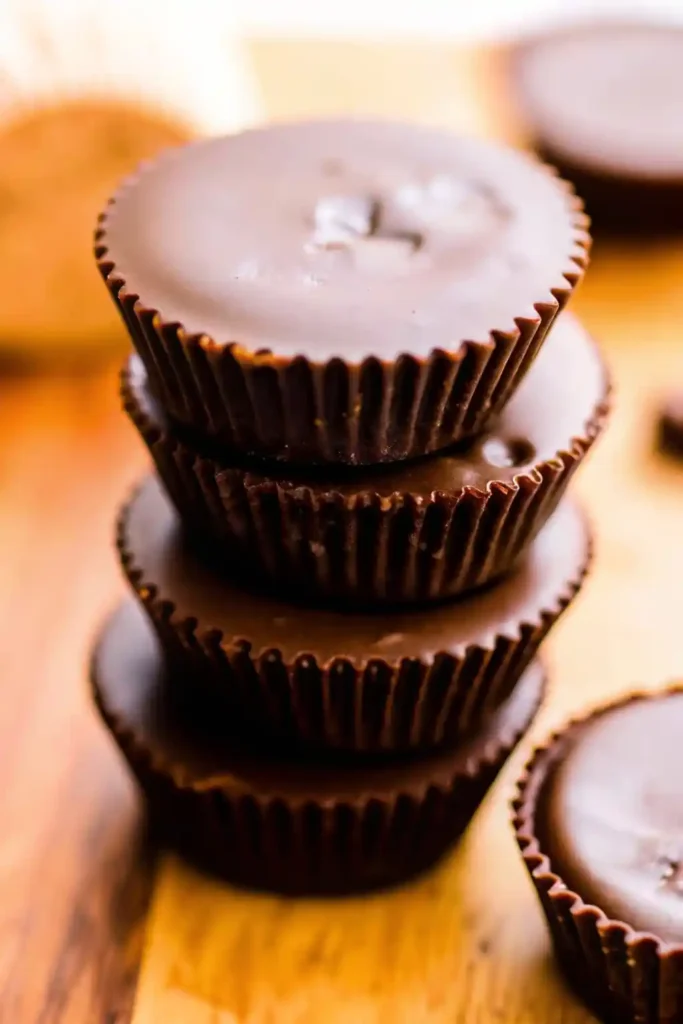
Why You’ll Love This Recipe
- Superior Ingredient Control: You choose the chocolate—whether it’s a 70% dark cocoa bar or a creamy milk chocolate—and you avoid the artificial stabilizers found in mass-produced candy.
- The Perfect Texture Ratio: Many homemade versions are either too chocolate-heavy or have a runny center. This recipe provides a tested ratio that ensures a clean bite every time.
- No Special Equipment Needed: You don’t need expensive candy molds; a standard muffin tin and paper liners are all that’s required to get that iconic ridged edge.
- Highly Giftable: These sturdy candies travel well and look stunning when packaged in clear cellophane bags with a simple ribbon.
- Endless Customization: From adding a sprinkle of flaky sea salt to using almond or sunflower butter, this base recipe is a blank canvas for your creativity.
Ingredient Notes & Pro Selections
Because this is a simple, few-ingredient recipe, the quality of your staples will dictate the final flavor. Here is what you need to know before you start melting.
The Chocolate
- Baking Bars vs. Chips: For the best results, use high-quality baking bars (like Ghirardelli or Guittard). Chocolate chips contain stabilizers that help them hold their shape during baking, which can make them slightly “waxy” when melted into a candy shell. Baking bars melt more smoothly and provide a better “snap.”
- Cacao Percentage: If you prefer the classic taste, go with Milk Chocolate. For a more sophisticated, “adult” treat, use Semi-Sweet or Bittersweet (60%+).
The Peanut Butter
- Creamy “No-Stir” (Recommended): Standard creamy peanut butter (like Jif or Skippy) is the best choice for this recipe. It is emulsified to stay smooth and provides the consistent texture needed for a stable filling.
- Natural Peanut Butter: If you use the “oil on top” natural variety, ensure you stir it extremely well and realize the filling may be softer and more prone to melting at room temperature.
The Filling Binders
- Confectioners’ Sugar (Powdered Sugar): This provides sweetness but, more importantly, it thickens the peanut butter into a “fudge-like” consistency that won’t leak out when you bite into the cup.
- Unsalted Butter: Adding a touch of melted butter to the filling makes it richer and helps it set firmly in the refrigerator.
- Fine Sea Salt: Even if your peanut butter is salted, a tiny extra pinch of sea salt elevates the chocolate and makes the peanut flavor “pop.”
Step-by-Step Instructions
Step 1: Prep the Muffin Tin
Line a standard 12-cup muffin tin (or a 24-cup mini muffin tin) with paper liners.
- Pro Tip: If you want that perfect professional look, use foil-lined wrappers; they hold their shape better and are easier to peel off the cold chocolate.
Step 2: Melt the Bottom Layer
In a microwave-safe bowl, melt 12 oz of chopped chocolate with 1 tablespoon of coconut oil (this adds shine and a better melt-point). Heat in 30-second increments, stirring well after each one, until smooth. Place about 1 to 2 teaspoons of melted chocolate into the bottom of each liner. Use a small spoon or a clean paintbrush to “paint” the chocolate about 1/4 inch up the sides of the liner. This creates the “cup” that will hold the filling. Place the tin in the freezer for 10 minutes to set.
Step 3: Mix the Peanut Butter Filling
In a medium bowl, whisk together 1 cup of creamy peanut butter, 1/2 cup of powdered sugar, 2 tablespoons of melted butter, and a pinch of salt. The mixture should be thick and pliable, similar to the texture of soft playdough.
- Texture Check: If it’s too sticky to handle, add another tablespoon of powdered sugar.
Step 4: Add the Center
Remove the tin from the freezer. Scoop a small amount (about a tablespoon for large cups, a teaspoon for minis) of the peanut butter mixture and roll it into a ball. Flatten it slightly with your thumb and place it in the center of the chocolate cup.
- The Gap Rule: Ensure there is a small gap between the peanut butter and the edge of the liner so the top layer of chocolate can flow down and seal the edges.
Step 5: Seal with the Top Layer
Re-melt the remaining chocolate if it has thickened. Spoon enough chocolate over the peanut butter to cover it completely. Gently tap the muffin tin against the counter to level the chocolate and release any air bubbles.
- The “Flat Top” Secret: Tapping the pan is essential for getting that smooth, glassy surface.
Step 6: Final Set
Place the tin back in the refrigerator for at least 30 minutes to 1 hour. Once the chocolate is completely firm to the touch, you can peel off the liners and serve.
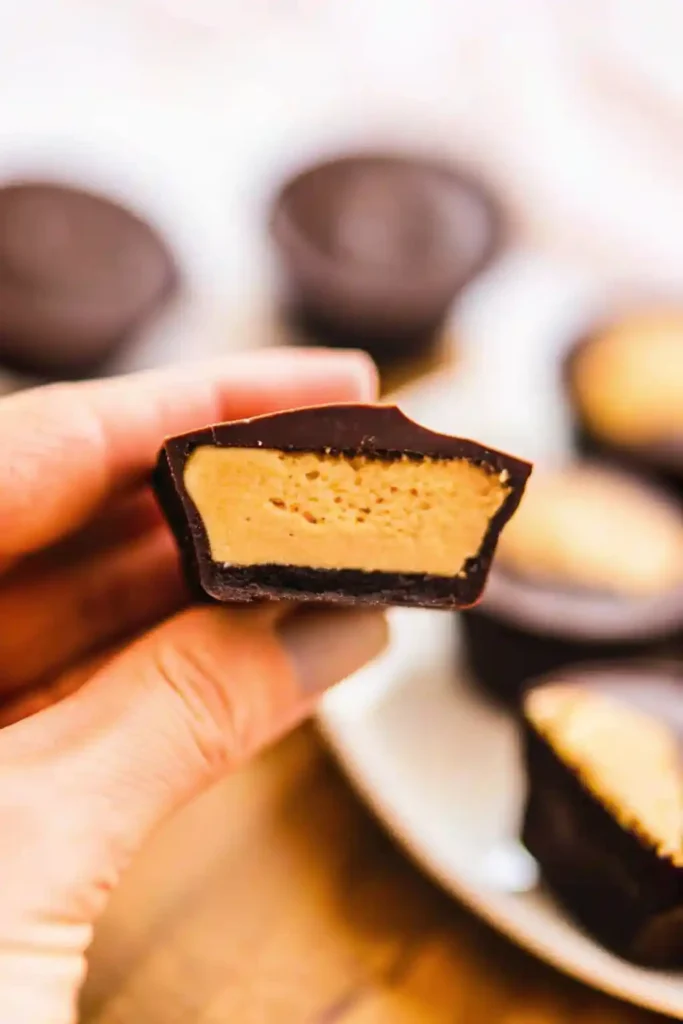
Secrets to a Professional Chocolate Snap
- The Coconut Oil Hack: Adding a teaspoon of coconut oil or vegetable shortening to your chocolate isn’t just for shine. it thins the chocolate just enough so it flows into the ridges of the liner, ensuring a uniform thickness across the entire shell.
- Temperature Control: Never let your chocolate reach a boil. If chocolate gets too hot, the fats separate (blooming), which leads to white streaks on your finished candy. Melt it slowly and patiently.
- Double-Tapping: Tap the pan after the bottom layer is added, and again after the top layer is added. This ensures the chocolate settles into every nook and cranny of the liner’s ridges.
- Room Temp Filling: Ensure your peanut butter filling is at room temperature when you add it to the cold chocolate. If the filling is too hot, it will melt your bottom layer; if it’s too cold, the top layer won’t bond to it correctly.
Variations and Substitutions
- Dark Chocolate Sea Salt: Use 72% dark chocolate and sprinkle a few grains of Maldon flaky salt on top before the final set.
- White Chocolate Raspberry: Use white chocolate shells and add a tiny drop of seedless raspberry jam into the center of the peanut butter filling.
- Nut-Free Option: Use Sunflower Seed Butter (SunButter). It has a remarkably similar roasted flavor to peanut butter and works perfectly with the powdered sugar ratios.
- The “Cookie Crunch”: Stir 2 tablespoons of crushed graham crackers or vanilla wafers into the peanut butter filling for a bit of textural interest.
Storage and Shelf Life
- Room Temperature: If your house is cool, these can be kept in an airtight container for up to 1 week. However, without preservatives, the chocolate may “sweat” if the temperature fluctuates.
- Refrigerator: This is the best place for long-term storage. Keep them in a sealed container for up to 1 month.
- Freezer: Peanut butter cups are one of the few candies that taste excellent frozen. Store in a freezer bag for up to 3 months. You can eat them straight from the freezer!
- Serving Note: For the best flavor experience, let a refrigerated cup sit on the counter for 5 minutes before eating. This allows the peanut butter center to soften just enough to become creamy.
FAQ
Why is my chocolate turning white? This is called “fat bloom.” It happens when the chocolate is heated too quickly or cooled too slowly. It is still safe to eat, but to avoid it, melt your chocolate in short bursts and store the finished cups in a consistent temperature.
Can I use natural peanut butter? Yes, but you will likely need to double the amount of powdered sugar to get it to firm up. Natural PB is very liquid and may result in a “messy” center that leaks when bitten.
My chocolate shell is too thick/hard to bite through. What happened? You might have used too much chocolate for the bottom and top layers. Next time, try to use a thinner pour and use a paintbrush to ensure the sides are covered without a heavy base.
How do I get the chocolate off the liner without it breaking? The chocolate must be completely cold. If it’s even slightly soft, it will stick to the paper. If you’re having trouble, pop them in the freezer for 5 minutes before peeling.

Authentic Homemade Chocolate Peanut Butter Cups (Better Than Store-Bought)
Equipment
- Muffin tin
- Microwave-safe bowl
- Spoon or Pastry Brush
Ingredients
- 12 oz high-quality baking chocolate, chopped (milk, semi-sweet, or dark)
- 1 tbsp coconut oil or vegetable shortening
- 1 cup creamy peanut butter (no-stir)
- 1/2 cup powdered sugar
- 2 tbsp unsalted butter, melted
- 1 pinch fine sea salt
Instructions
- Line a standard 12-cup muffin tin (or mini muffin tin) with paper or foil liners.
- Melt the chocolate with coconut oil in 30-second microwave intervals, stirring between each, until smooth and glossy.
- Spoon 1–2 teaspoons of melted chocolate into each liner, coating the bottom and brushing slightly up the sides. Freeze for 10 minutes to set.
- In a bowl, mix peanut butter, powdered sugar, melted butter, and salt until thick and smooth.
- Roll the filling into small discs and place one in the center of each chocolate base, leaving space around the edges.
- Cover each cup with more melted chocolate, tap the pan gently to smooth the tops, and refrigerate for 30–60 minutes until fully set.